Strait of Hormuz Blockade 2026: Impact on Candle Production & Wholesale Strategies
Learn how the 2026 Strait of Hormuz blockade affects candle production—from paraffin wax shortages and price spikes to shipping delays—and discover actionable strategies for wholesale candle businesses to mitigate risks, diversify supply chains, and maintain profitability amid global supply chain volatility.
Strait of Hormuz Blockade 2026: Impact on Candle Production & Wholesale Strategies
For candle manufacturers, wholesale suppliers, and retail buyers, the 2026 Strait of Hormuz blockade has emerged as an unexpected yet critical disruptor—one that ripples through the entire candle supply chain, from raw material costs to production timelines. As the world’s most vital energy shipping route, the Strait of Hormuz controls nearly 20% of global oil flows, and its disruption directly impacts the price and availability of paraffin wax—the core raw material for 80-95% of commercial candles worldwide. This guide breaks down how the 2026 blockade is affecting candle production, the challenges facing wholesale candle businesses, and actionable strategies to mitigate risks and maintain profitability.Why the Strait of Hormuz Blockade Matters for Candle Production
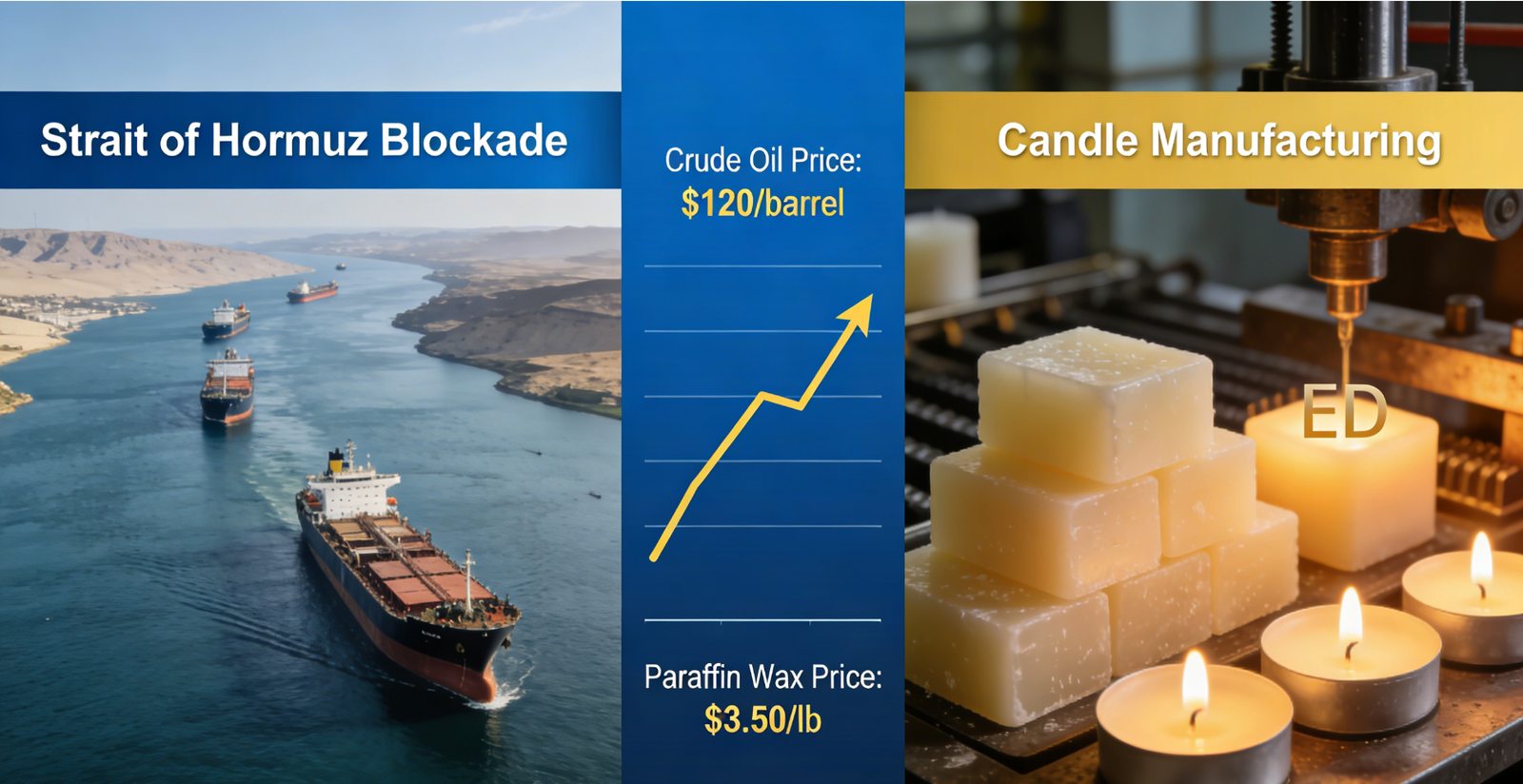
To understand the connection, you first need to link the Strait of Hormuz to candle manufacturing: paraffin wax, the most widely used base wax for candles, is a byproduct of crude oil refining. The Strait of Hormuz is the only maritime passage for crude oil exports from key Middle Eastern nations (Saudi Arabia, Iraq, Qatar, and Iran)—countries that collectively supply a large share of the world’s paraffin wax material.
Since the 2026 conflict escalated and the strait became effectively blocked, global oil prices have soared: Brent crude futures jumped from $88 to $95 per barrel in 12 hours in mid-March, with "Halloween Premium" (the market’s risk pricing for a prolonged blockade) tripling from $3 to $8 per barrel. This price surge, combined with supply chain disruptions and skyrocketing shipping costs, has sent paraffin wax prices spiking—directly squeezing candle manufacturers and wholesale suppliers.
Key Impacts of the Blockade on Candle Production (2026 Update)
The blockade’s effects are felt across every stage of candle production, from raw material sourcing to wholesale distribution. Here’s what candle businesses need to know:
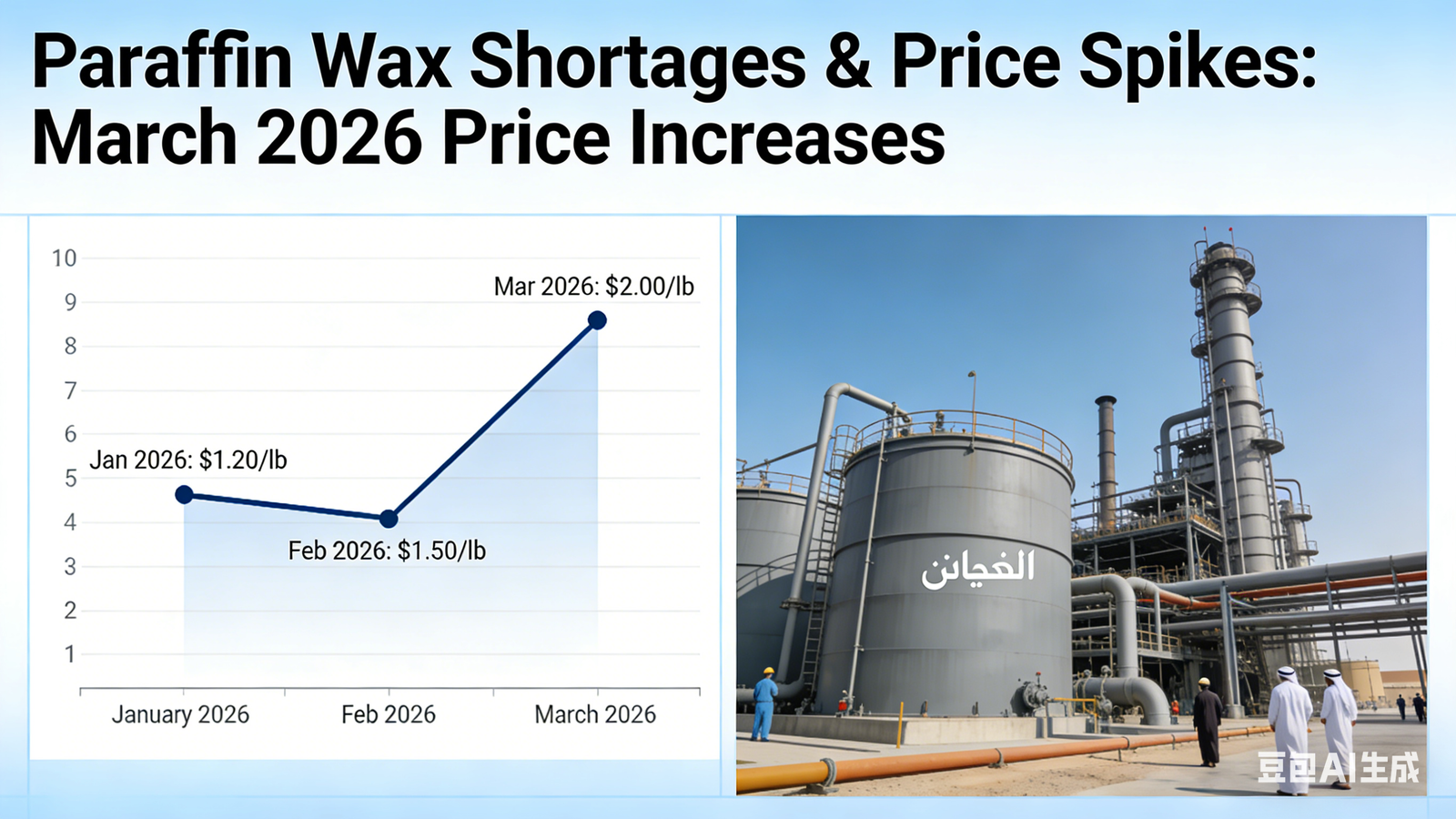
1. Paraffin Wax Shortages & Price Spikes
Paraffin wax prices have already risen 800-1200 yuan per ton in March 2026 alone, driven by crude oil cost increases and limited supply from Middle Eastern refineries. Iran, a major exporter of paraffin and related wax products, has seen its refineries damaged and export channels cut off, creating a significant supply gap in the global market. For candle manufacturers, this means higher production costs—especially since paraffin accounts for 60-90% of candle wax formulations. Even with diversified suppliers, the global tightness has left many businesses struggling to secure consistent, affordable paraffin supplies.
2. Skyrocketing Shipping & Logistics Costs
Major shipping companies (Maersk, MSC, CMA CGM) have suspended routes through the Strait of Hormuz, forcing vessels to detour around the Cape of Good Hope—a journey that adds 4,000 kilometers, extends shipping times by 12-18 days, and increases freight costs by 50-100%. Additionally, war risk insurance premiums have surged from 0.1% to 3%, further inflating the cost of importing paraffin wax and finished candles. For wholesale candle businesses importing raw materials or finished products, these logistics hikes have cut into profit margins and caused delivery delays.
3. Supply Chain Delays & Inventory Risks
The combination of wax shortages and shipping delays has led to production slowdowns for candle manufacturers. Many facilities are operating at reduced capacity due to limited raw materials, while finished candle shipments are being held up at ports or delayed in transit. For wholesale retailers, this means stockouts of popular candle styles—especially paraffin-based scented candles and LED candle components (which rely on petroleum-derived plastics)—and the risk of losing customers to competitors with more stable inventory.
4. Shift in Wax Preferences (Alternative Wax Demand Rises)
As paraffin wax becomes more expensive and scarce, candle manufacturers and wholesale suppliers are increasingly turning to alternative waxes to maintain production. Non-oil-based waxes like soy wax, palm wax, and beeswax—whose supply chains are not tied to Middle Eastern oil—have seen a surge in demand, with palm wax prices rising 15-20% as a result of increased substitution. Even coal-based (Fischer-Tropsch wax) and bio-based waxes are gaining traction, as they offer a cost-effective, stable alternative to paraffin in the current market.
Wholesale Candle Business Strategies to Mitigate Blockade Risks (2026)
The Strait of Hormuz blockade is not a short-term disruption—experts warn that volatility could persist for months as geopolitical tensions remain high. For candle manufacturers, wholesale suppliers, and retail buyers, proactive strategies are key to weathering the storm. Here are actionable steps to protect your business:
1. Diversify Raw Material Suppliers & Wax Types
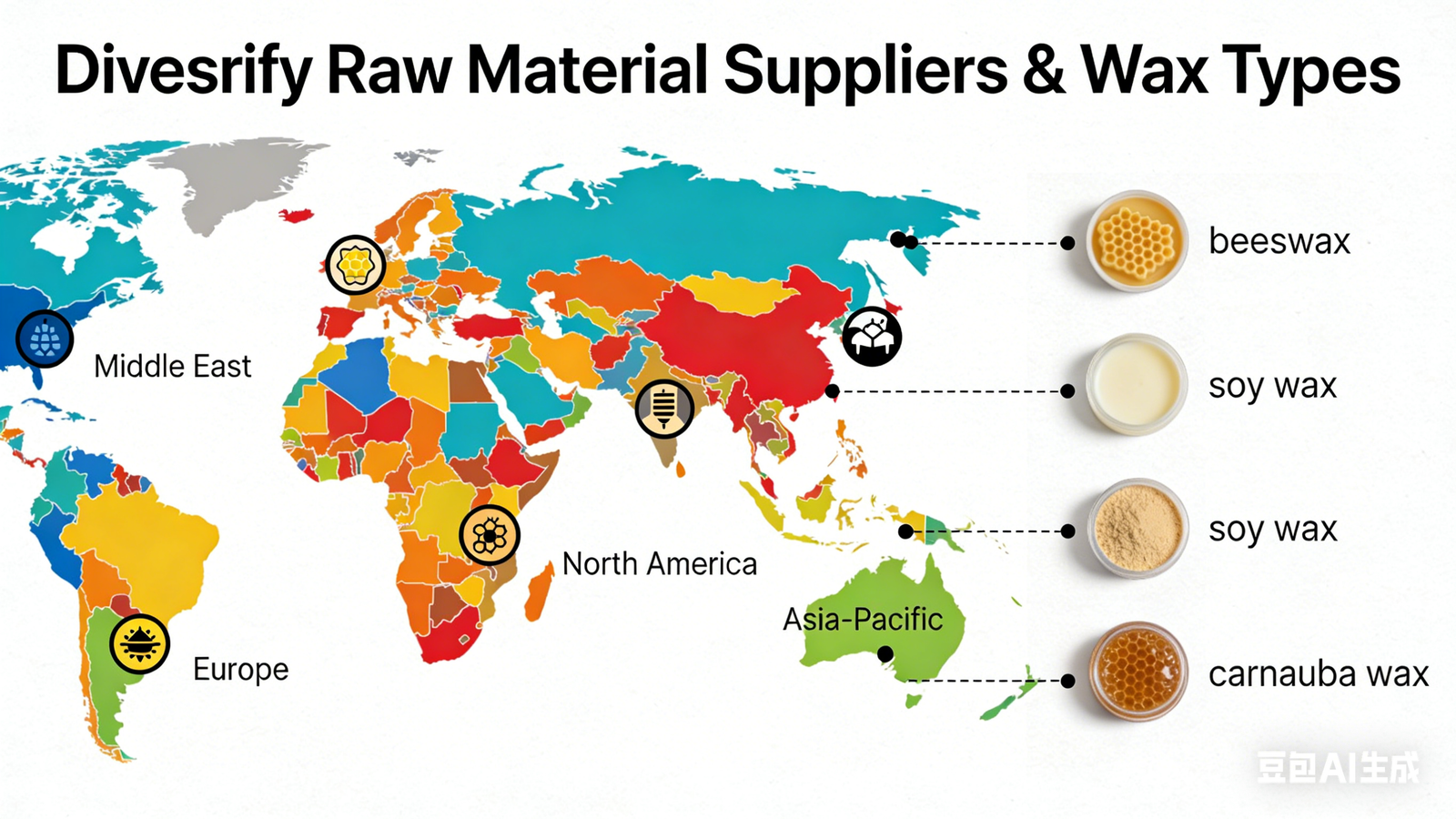
Reduce reliance on Middle Eastern paraffin wax by sourcing from alternative regions (e.g., North America, Russia, Kazakhstan) and incorporating alternative waxes into your product lines. For example, blend paraffin with soy wax or beeswax to lower costs while maintaining candle quality—this not only reduces paraffin usage but also appeals to eco-conscious customers. Work with suppliers who offer flexible wax formulations, such as combining low-melting and high-melting paraffin with wax to optimize cost and performance.
2. Lock in Long-Term Contracts & Bulk Inventory
To avoid price volatility, negotiate long-term contracts with reliable wax suppliers at fixed or capped prices. While this requires upfront investment, it protects your business from future paraffin price hikes. Additionally, stock up on essential raw materials (wax, wicks, fragrance oils) in bulk—focus on high-demand items like paraffin-based pillar candles and LED candle components—to avoid stockouts during supply chain disruptions. Just be mindful of storage conditions to prevent wax degradation.
3. Optimize Production to Reduce Wax Waste
Cut costs by optimizing your candle production process to minimize wax waste. Use wax formulation techniques like blending different grades of paraffin (e.g., 70% 54# paraffin + 20% 62# paraffin + 10% 微晶蜡) to reduce raw material costs by 12-15% while improving candle durability and reducing overflow loss. Additionally, adjust production schedules to align with raw material deliveries, avoiding costly downtime due to wax shortages.
4. Adjust Pricing Strategically & Communicate Value
While passing on cost increases to customers is necessary, do so strategically to avoid losing sales. Focus on highlighting the quality and consistency of your candles—emphasize that your products are made with high-quality wax (even if it’s an alternative to paraffin) and reliable manufacturing. For wholesale clients, offer volume discounts to encourage bulk orders, and explain the rationale behind price adjustments (e.g., "Price adjustment reflects increased paraffin costs due to global supply chain disruptions") to maintain trust.
5. Prioritize High-Margin Candle Products
Shift your inventory focus to high-margin candle products that are less dependent on paraffin wax. LED candles, for example, use petroleum-derived plastics but require far less wax than traditional scented candles—and they offer stronger profit margins and year-round demand. Luxury candles made with premium alternative waxes (e.g., beeswax, soy wax blends) also command higher retail prices, helping offset raw material costs.
What to Expect in the Coming Months (2026 Outlook)
The future of candle production depends on how long the Strait of Hormuz blockade lasts. If tensions ease and the strait reopens, paraffin wax prices may stabilize, but supply chains will take 3-6 months to fully recover. If the blockade persists, we’ll see a permanent shift toward alternative waxes, with candle manufacturers and wholesale suppliers integrating soy, palm, and bio-based waxes into their core product lines.
For wholesale candle businesses, adaptability is key. Those who diversify their supply chains, optimize production, and prioritize high-margin products will not only survive the current disruption but also gain a competitive edge in the post-blockade market.
Final Thoughts for Wholesale Candle Businesses
The 2026 Strait of Hormuz blockade is a reminder of how interconnected the global candle supply chain is—what happens in a Middle Eastern shipping lane directly impacts candle production, pricing, and inventory worldwide. By taking proactive steps to diversify suppliers, optimize production, and adapt to changing wax preferences, wholesale candle businesses can mitigate risks and maintain profitability even in uncertain times.
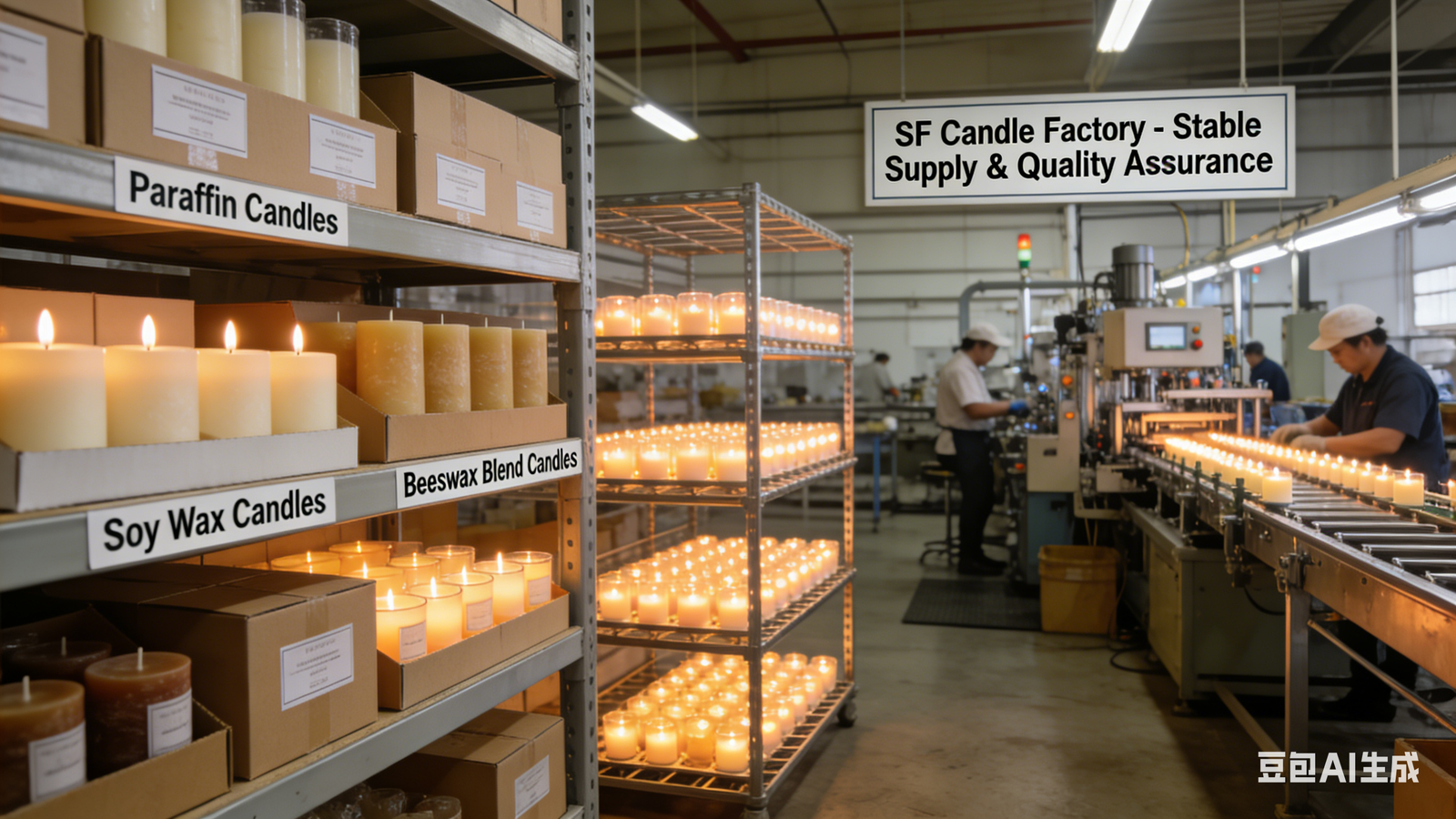
At SF Candle Factory, we’ve adjusted our production processes to incorporate alternative waxes and secured long-term supply contracts to ensure consistent, high-quality wholesale candles for our retail partners. To explore our range of paraffin and alternative wax candles—including LED candles and scented options